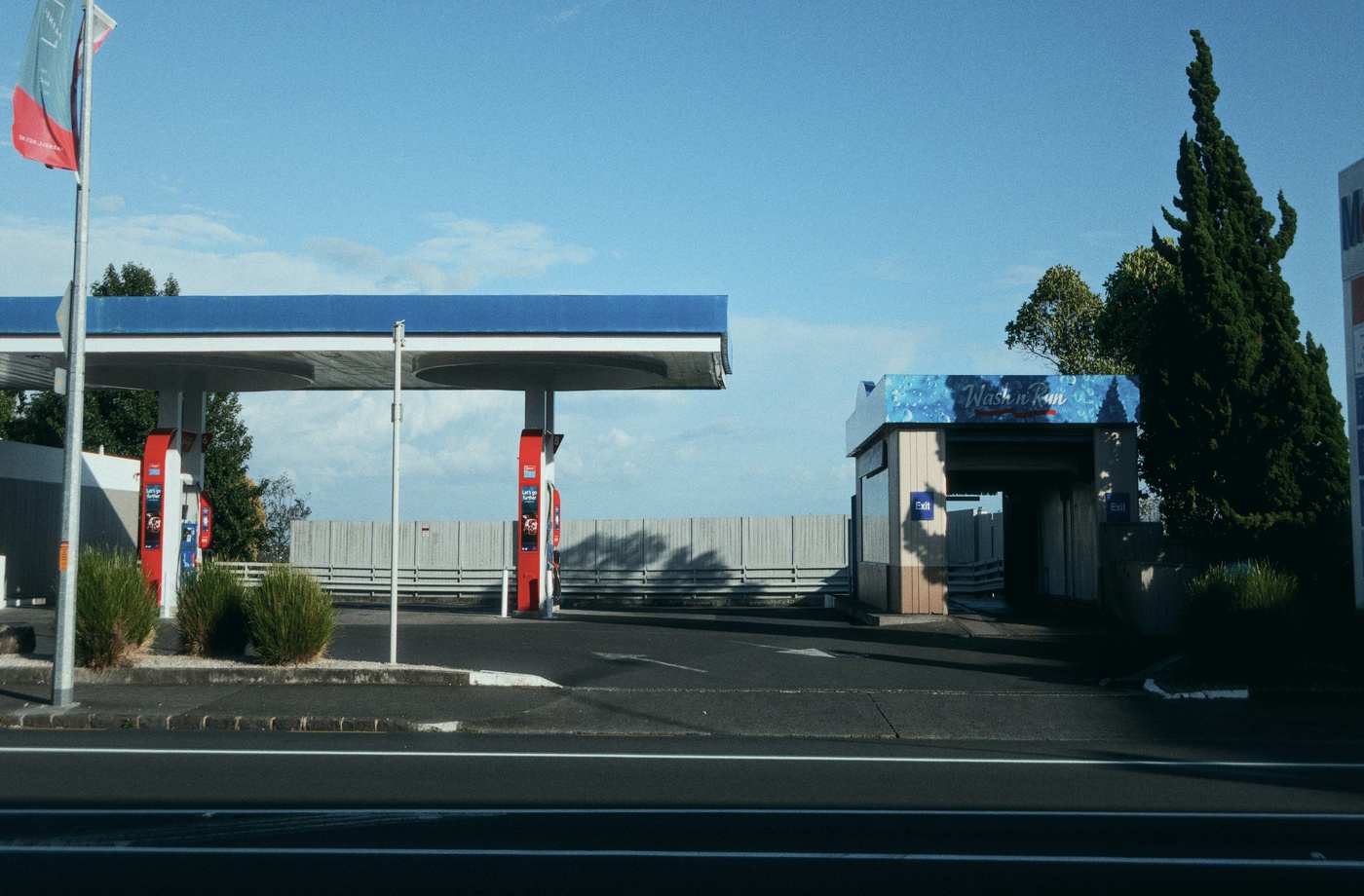
Driving for rideshare services like Uber or Lyft means fuel is one of your biggest ongoing expenses. Since more miles equal more fill-ups, small savings strategies can add up to significant earnings over time. Here’s how rideshare drivers can cut fuel costs without sacrificing convenience.
Track gas prices in real time
Apps like GasBuddy make it easy to locate the cheapest gas stations along your route. Checking before you fill up can save dollars each shift.
Take advantage of loyalty programs
Programs such as ExxonMobil Rewards+ and Shell Fuel Rewards reward you with cents off per gallon or points toward future discounts. For drivers filling up multiple times per week, these savings compound quickly.
Use cashback apps for extra rewards
Cashback apps like Rakuten, Ibotta, and Fluz make fuel purchases more rewarding. For example, you can earn cashback with a Chevron gift card on every fill-up and stack that with station loyalty discounts.
Drive smarter for better efficiency
Smooth driving pays off. Avoid rapid acceleration, maintain steady speeds, and reduce idling to improve your fuel economy by up to 30%.
Plan your shifts strategically
If possible, schedule driving during off-peak hours to reduce time spent in traffic. Less stop-and-go driving means less wasted fuel.
Maintain your vehicle
Regular oil changes, tire checks, and air filter replacements not only protect your car but also improve fuel efficiency—saving you money long-term.
Stack strategies for maximum impact
The most successful rideshare drivers combine all these tools: tracking gas prices, using loyalty programs, and purchasing discounted digital gift cards through cashback apps. Together, these steps can reduce fuel expenses by hundreds of dollars per month.
For drivers who rely on their vehicles for income, fuel savings directly increase profit. With a few smart adjustments, rideshare work becomes more sustainable and rewarding.